By Bernie Smith
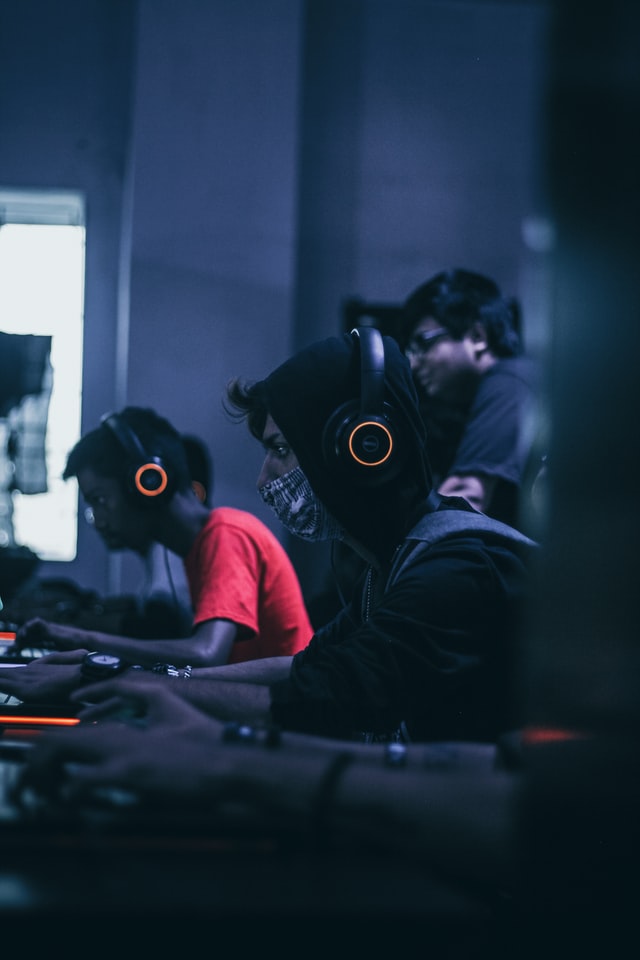
Once considered a niche subculture, esports has exploded into a billion-dollar global industry. But behind the flashing lights, million-dollar prize pools, and sold-out arenas lies a quieter revolution: the rise of Black gamers, organizers, and creators who are reshaping the competitive gaming landscape.
From local tournaments in barbershops to international stages streamed to millions, Black communities are not just participating in esports—they’re building it.
Leveling Up: The Journey from Margins to Mainstream
Historically, Black gamers have faced barriers in the esports world—from lack of access to high-end equipment to underrepresentation in professional leagues. But that’s changing. Organizations like COG Gaming, Noir Esports, and Black Collegiate Gaming Association (BCGA) are creating pipelines for Black talent to thrive.
Take Prodigy, a rising star in the Street Fighter scene, who started out playing in community centers in Atlanta and now competes on the Capcom Pro Tour. Or Kayla “KDot” Johnson, a shoutcaster and analyst who’s become a fan favorite in Valorant tournaments for her sharp insights and unapologetic style.
More Than Just Games: Esports as Culture
For many Black gamers, esports is more than competition—it’s culture. It’s the energy of a 2K tournament in a Bronx rec center. It’s the fashion, the slang, the music. It’s Twitch streams where players talk strategy and social justice in the same breath.
Events like Dream Con, BlurredCon, and HBCU Esports League are blending gaming with Black cultural expression, creating spaces where players can be fully themselves—on and off the screen.
The Business of Black Esports
As the industry grows, so does the opportunity. Black entrepreneurs are launching esports orgs, production companies, and gaming lounges. Investors are taking notice. But challenges remain: funding disparities, lack of media coverage, and systemic bias still limit access.
That’s why initiatives like Gameheads, which trains youth of color in game development and esports, and Melanin Gamers, which advocates for diversity in gaming, are so vital. They’re not just changing who plays—they’re changing who profits.
What’s Next?
The future of Black esports is bright—and global. From Lagos to London, Baltimore to Barbados, Black gamers are connecting, competing, and creating. With the rise of mobile gaming, VR, and decentralized platforms, the next wave of esports innovation may come from places the industry has long overlooked.
And when it does, it won’t just be a win for Black gamers. It’ll be a win for the game.