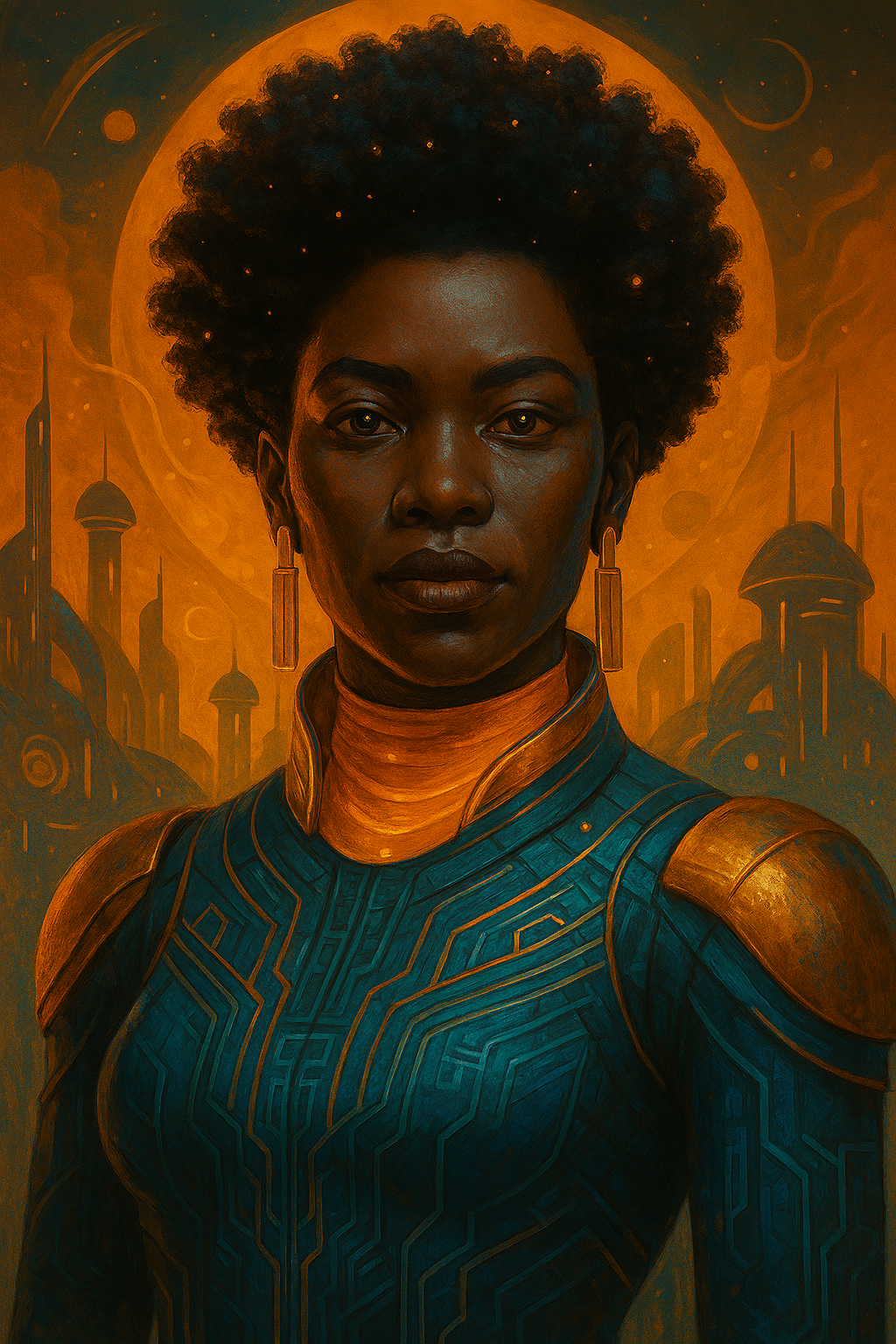
Artificial intelligence is transforming nearly every part of modern life—from healthcare and education to entertainment, transportation, business, and scientific research. Behind this transformation are innovators from many different backgrounds, including Black women who are helping shape how AI is developed, understood, and used.
For Afro Verse Magazine, their stories represent more than technological achievement. They demonstrate the importance of representation in building the future.
Building the Future of AI
Black women have contributed to computer science and technology for decades. Today, a new generation is working across artificial intelligence, machine learning, robotics, data science, technology entrepreneurship, and digital media.
Their work raises an important question:
Who gets to build the technologies that will shape tomorrow?
AI systems influence what people see online, how organizations make decisions, how students learn, and how businesses operate. Having diverse people involved in designing these systems can bring different experiences and perspectives into the technology-development process.
From Computer Science to Artificial Intelligence
The path into AI does not have to begin with building the next major AI model.
Black women are entering the field through many different careers:
- Software engineering
- Data science
- Robotics
- Cybersecurity
- Product development
- AI research
- Digital art
- Healthcare technology
- Education technology
- Entrepreneurship
- Technology policy and ethics
This expanding ecosystem creates opportunities for young people who may never have previously imagined themselves working in artificial intelligence.
Pioneers Who Opened the Door
The history of Black women in technology includes remarkable pioneers.
Dr. Gladys West made major contributions to the mathematical modeling underlying satellite geodesy, work that helped enable modern GPS technology.
Dr. Marian Croak has spent decades working in telecommunications and technology and became a prominent leader in artificial-intelligence initiatives.
Dr. Timnit Gebru has become widely known for research and advocacy concerning AI ethics, algorithmic bias, and the social consequences of artificial intelligence.
Their careers demonstrate that technological leadership is not limited to one discipline. It can involve mathematics, engineering, research, entrepreneurship, ethics, and public discussion about how technology should affect society.
AI and the Next Generation
One of the biggest opportunities may be education.
A young student who learns how to use AI responsibly today could eventually become tomorrow’s software engineer, robotics designer, researcher, entrepreneur, or technology leader.
That makes AI education particularly important for communities that have historically had less access to advanced technology education.
Imagine a future where students are introduced to:
AI + Coding + Robotics + History + Art + Entrepreneurship
in the same classroom.
That combination could help students see technology not simply as something they consume, but as something they can create.
The Black AI Entrepreneur
Artificial intelligence is also creating opportunities for entrepreneurship.
Black women entrepreneurs are exploring AI applications in areas such as:
- Healthcare
- Education
- Beauty and fashion
- Financial services
- Marketing
- Entertainment
- Small-business automation
- Community development
- Media production
The opportunity extends beyond creating AI companies. Existing businesses can use AI to improve customer service, analyze information, create content, automate repetitive tasks, and develop new products.
Representation Matters
AI systems learn from enormous amounts of data, and the people designing those systems make important decisions about how technology is developed and evaluated.
That makes diversity in the technology workforce important—not because every person from a particular background thinks alike, but because different experiences can help teams identify questions, assumptions, and potential problems that might otherwise receive less attention.
The future of AI should therefore include people from many communities, professions, cultures, and educational backgrounds.
Black women have an important place in that future.
The Afro Verse Vision
Afro Verse Magazine believes the story of artificial intelligence should include the people who are building it.
Our vision is to introduce readers to the scientists, engineers, entrepreneurs, artists, educators, gamers, creators, and students who are helping create the next technological era.
The AI revolution is not something happening somewhere far away.
It is being built right now.
And Black women are helping build it.
The Future Is Open
The next major AI breakthrough could come from a university laboratory, a technology startup, a classroom, a community organization—or a young person experimenting with an idea on a laptop.
The question is not whether Black women have a place in the future of artificial intelligence.
The question is how much of that future they will help create.
For the next generation, the message is simple:
Learn. Create. Innovate. Build the future.